
Why South Korea Pulled Out of ENC and Why the Decision Makes Sense
By Om
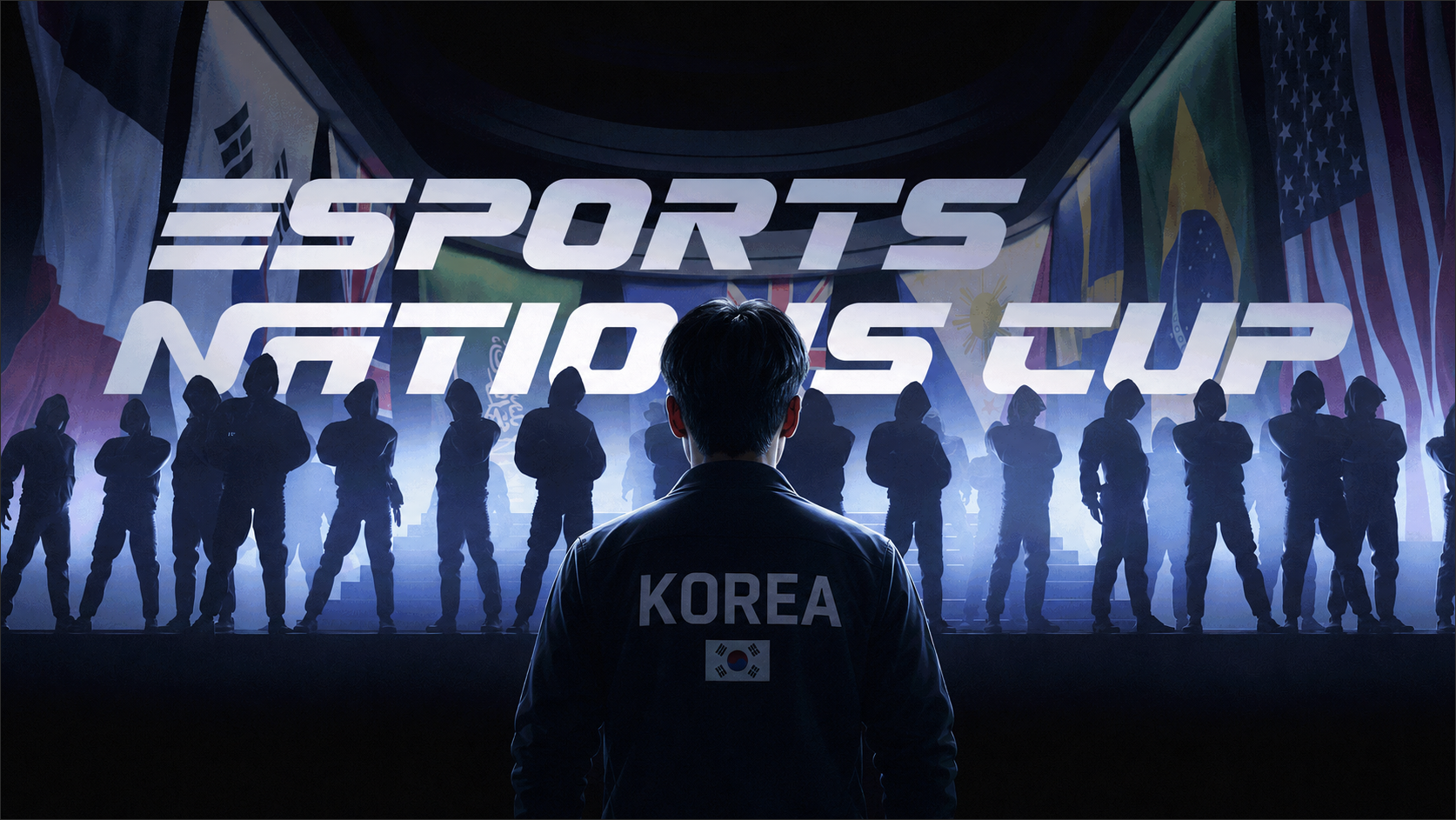
South Korea stepping away from the Esports Nations Cup surprised a lot of fans, especially in the VALORANT community. Whenever Korea enters an esports tournament, expectations instantly become higher. Over the years, the region has built a reputation for discipline, consistency, and dominance across titles like VALORANT, League of Legends, and Overwatch.
So when reports started circulating that South Korea would no longer participate in ENC, reactions spread quickly across social media and esports communities. Some fans were disappointed. Others honestly were not surprised at all.
And once you look deeper into the situation, the decision actually starts to make sense.
The Esports Schedule Is Becoming Too Crowded
One of the biggest problems in modern esports is scheduling.
Top Korean players are already competing in packed yearly calendars filled with:
- regional leagues
- international tournaments
- sponsor commitments
- media appearances
- bootcamps
- nonstop travel
In VALORANT alone, the VCT season barely gives players enough time to rest between major events. For fans, national tournaments sound exciting because they bring together superstar players from different teams. But behind the scenes, these events demand a huge amount of preparation.
Players are expected to:
- practice together
- build strategies
- attend content shoots
- travel internationally
- adapt to new teammates
That workload adds up quickly. Burnout has already become a major issue across esports over the last few years, and many organizations are starting to take player health more seriously than before. A lot of people within the competitive scene believe South Korea simply did not want to overload players during an already exhausting season.
Building a National Team Is Much Harder Than It Looks
Another major issue is roster coordination.
Unlike regular esports organizations where players train together every day, national teams force players from completely different systems and playstyles to suddenly work together in a short amount of time. For fans, that sounds exciting. For coaches and organizations, it can become extremely complicated.
South Korea's top VALORANT players are spread across multiple professional organizations, each with:
- separate schedules
- sponsorship obligations
- coaching staff
- travel plans
- competitive priorities
Trying to align all of that during an active season is not easy. And even if a country manages to build a stacked roster on paper, chemistry is never guaranteed. For a region known for high expectations and disciplined preparation, entering a tournament without enough time to properly prepare may simply not have been worth the risk.
Korea Is Prioritizing VCT Over Side Events
Many analysts also see this as a strategic business decision.
Publisher backed leagues like VCT now carry far more importance than third party tournaments. These leagues are where organizations:
- build their brand
- attract sponsors
- compete for international qualification
- maintain long term visibility
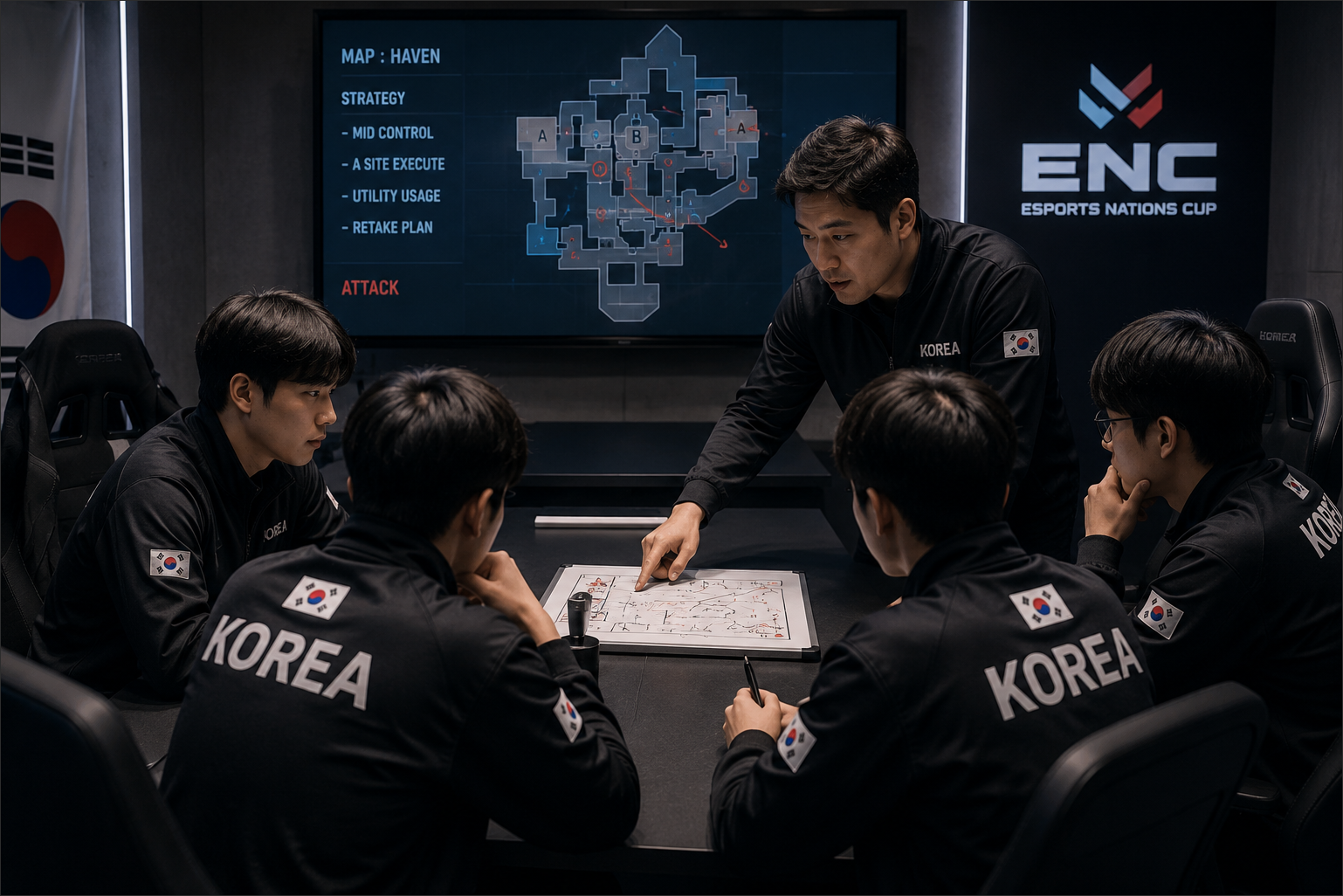
From a competitive perspective, focusing on VCT instead of splitting attention across multiple events makes complete sense. And this is not just happening in Korea. Across esports, many top organizations are becoming more selective about which tournaments they attend. The industry has changed a lot compared to older esports eras where teams would join almost every event possible.
Today, maintaining performance across the main competitive season matters far more than simply increasing tournament appearances.
Fans Had Mixed Reactions
The community reaction became divided almost immediately.
Some fans were genuinely disappointed because South Korea is always one of the most exciting regions to watch internationally. Many people wanted to see Korean talent compete against other powerhouse nations and potentially dominate another global event.
Others defended the decision completely. Many fans argued that esports has finally reached a point where player health and workload need to be treated more seriously. Long travel schedules, constant pressure, and endless practice sessions have already created burnout stories across multiple esports titles.
On social media, discussions quickly shifted from Why did Korea leave? to Are esports players being pushed too hard? That larger conversation may actually be more important than the tournament itself.
What This Means for ENC
There is no denying that South Korea's absence changes the tournament significantly. Whenever Korea participates in an international esports competition, the region instantly becomes one of the favorites to win. Losing a team with that level of experience and talent naturally affects both the competitive level and overall hype surrounding the event.
At the same time, this creates opportunities for other nations. Smaller or emerging regions now have a bigger chance to:
- make deeper tournament runs
- gain international attention
- surprise audiences
- develop new rivalries
And honestly, that unpredictability could make the tournament even more interesting for some viewers.
Final Thoughts
South Korea pulling out of ENC may feel disappointing for fans, but the decision reflects a much bigger issue inside modern esports.
The industry is becoming more demanding every year. Players are expected to constantly compete, travel, create content, maintain peak performance, and represent organizations across multiple events with very little downtime. At some point, something has to give.
Whether this becomes a one time decision or the beginning of a larger trend in esports remains unclear. But one thing is obvious: top organizations and regions are starting to prioritize long term player performance over attending every possible tournament. And in today's esports ecosystem, that honestly makes complete sense.